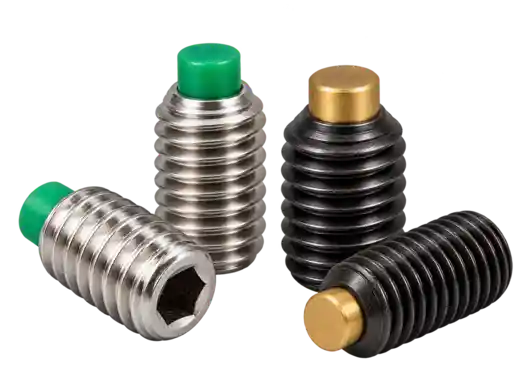
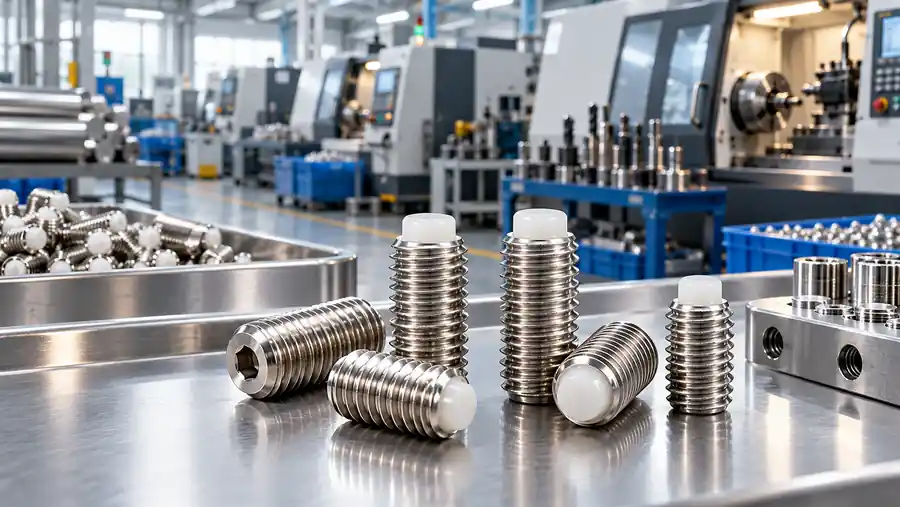
Nylon Tip Set Screws Manufacturer In China
TIGHTU supplies nylon tip set screws for assemblies where a hardened metal point could mark a shaft, collar or finished component. Select the thread, length, body material, socket drive and nylon tip dimensions around the mating surface and operating conditions.
Hex socket configurations • Material options to specification • Drawing- and sample-based customization
What is a Nylon Tip Set Screw?
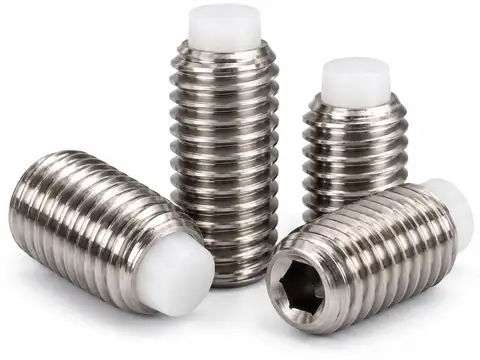
A nylon tip set screw is a headless threaded fastener with a polymer contact tip at the end opposite the drive. It is installed through a tapped hole so that the nylon tip presses against a shaft, collar, guide or other mating component.
The nylon contact surface helps reduce direct metal-to-metal contact and can limit marking on finished or softer parts. The result still depends on contact load, tip geometry, mating-material hardness, temperature, chemicals and the way the assembly moves.
Important note: A nylon tip set screw is not the same as a screw with a nylon thread patch or pellet. The tip acts on the mating component; a patch or pellet acts on the threads to increase prevailing torque.
Parameters That Define the Correct Part
The thread size alone does not fully define a nylon tip set screw. The body, drive and nylon contact geometry must fit the tapped component and the surface being held.
| Parameter | What it defines | Why it matters |
|---|---|---|
| Thread diameter and pitch | The mating thread and engagement | Must match the tapped hole and required thread system |
| Body length | The threaded metal-body length | Affects engagement and installed position |
| Length measurement basis | Whether the stated length includes or excludes the projecting tip | Prevents drawing and quotation mismatches |
| Hex socket size and depth | The installation-tool interface | Must suit the available tool and tightening access |
| Tip diameter | The nylon contact width | Influences contact area and fit within the threaded body |
| Tip projection | How far the nylon tip extends beyond the metal body | Affects installed depth and contact position |
| Tip profile | Flat, rounded or drawing-specific contact geometry | Changes how load reaches the mating surface |
| Body material | Stainless steel, alloy steel or another specified material | Influences strength, corrosion behavior and finish options |
| Surface finish | The treatment applied to the metal body | Must suit the body material and operating environment |
| Critical tolerances | Drawing-controlled dimensions that affect assembly | Important for repeatable fit and positioning |
TIGHTU can review metric or inch thread requirements, applicable DIN, ISO or ANSI references, and drawing-specific dimensions. Availability and manufacturing scope depend on the complete specification.
Avoid Common Nylon Tip Set Screw Mismatches
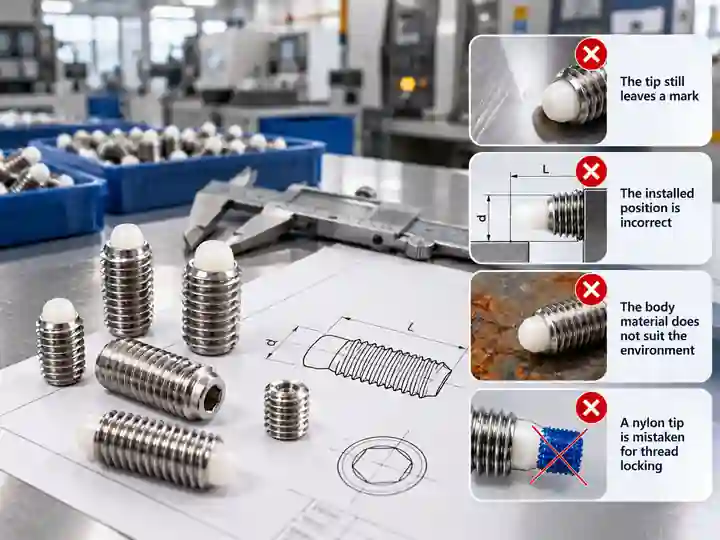
The tip still leaves a mark
A nylon tip reduces metal-to-metal contact, but it does not make every assembly damage-free. Excessive load, a small contact area or a very soft mating material can still produce an impression.
Response: Review the tip diameter, profile, contact load and mating-material hardness together.
The installed position is incorrect
Quotations can differ when one drawing includes the projecting tip in the overall length and another does not.
Response: Define the metal-body length, tip projection and measurement basis directly on the drawing.
The body material does not suit the environment
The nylon tip protects the contact area, but the threaded metal body remains exposed to the operating environment.
Response: Select the body material, grade and finish around corrosion exposure, strength and mating-material requirements.
A nylon tip is mistaken for thread locking
A tip contacts the shaft or component. It does not automatically perform the same function as a nylon patch, pellet or other thread-locking feature.
Response: Specify surface protection and resistance to thread loosening as separate requirements.
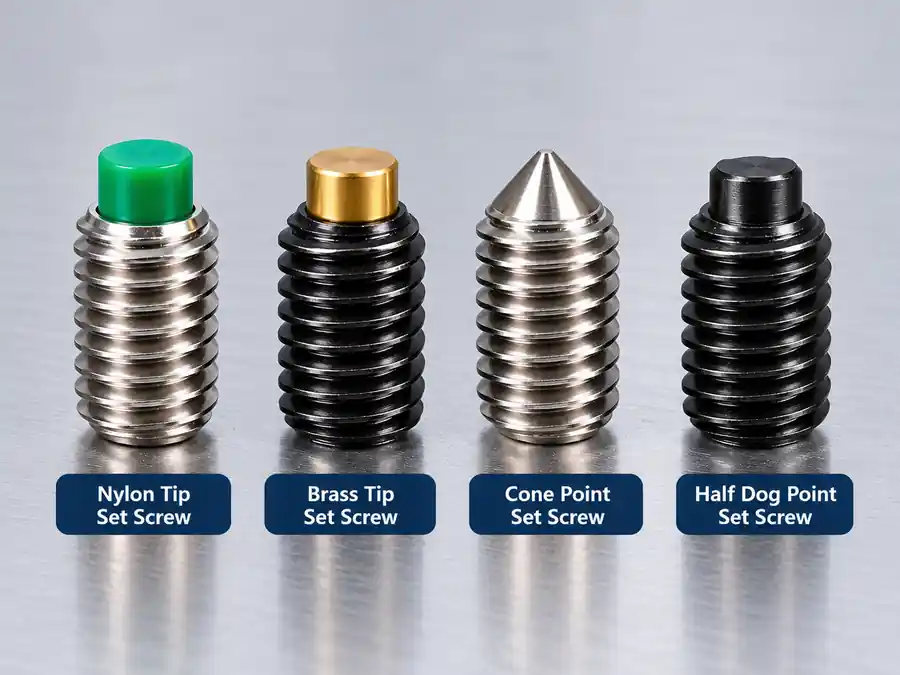
Nylon Tip vs. Brass Tip vs. Standard Steel Point
The point material changes how the set screw contacts the mating component. No option is best for every assembly.
| Point option | Contact behavior | Consider it when | Main selection caution |
|---|---|---|---|
| Nylon tip | Softer, non-metal contact that can conform under load | Finished, polished, plastic, aluminum or other surface-sensitive components | Check load, temperature, chemicals, wear and possible tip deformation |
| Brass tip | More rigid metal contact while remaining softer than many steel mating surfaces | A metal tip is preferred but limiting surface marking is still important | Check mating-material hardness, contact load and environmental compatibility |
| Standard steel point | Direct metal contact with a harder point | Surface penetration or concentrated holding contact is acceptable | Greater risk of marking, indentation or permanent contact damage |
Choose the point material from the required contact behavior, not from the product name alone. The mating surface, holding requirement, operating temperature and adjustment frequency should be evaluated together.
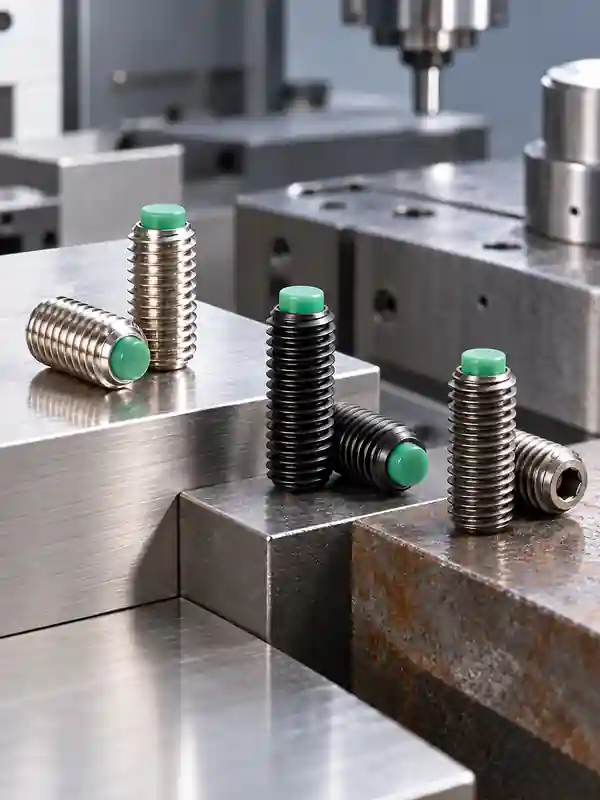
Do not assume that the nylon tip electrically isolates the complete assembly. The threaded body and surrounding components remain part of the electrical and mechanical system.
Select the Body Material Separately from the Tip
The nylon tip and metal body perform different jobs. The tip defines the contact with the mating component; the body provides the thread, drive and structural connection.
| Body-material direction | Common reason for consideration | Confirm for the project |
|---|---|---|
| Stainless steel | Corrosion exposure or an uncoated metal surface is important | Grade, strength, galling risk, chemicals and mating material |
| Alloy steel | Strength or hardness is a higher priority | Grade, heat treatment, finish, corrosion exposure and contact load |
| Carbon steel | The assembly permits a coated general-purpose steel body | Strength requirement, finish and corrosion protection |
| Other specified materials | Weight, electrical, corrosion or application-specific conditions require another choice | Material suitability, thread design, operating conditions and drawing requirements |
Where Nylon Tip Set Screws Are Commonly Considered
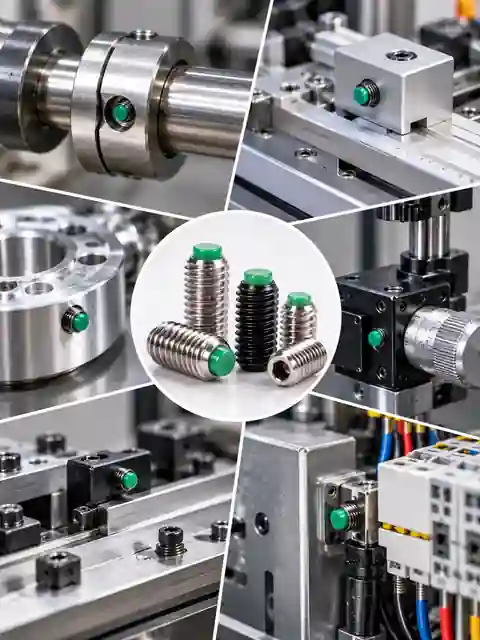
| Application situation | Why a nylon tip may help | What still needs validation |
|---|---|---|
| Shaft collars, hubs and adjustable components | Reduces direct contact between a metal point and the shaft | Holding load, shaft hardness, vibration and adjustment frequency |
| Finished or polished metal surfaces | Can limit scratching and sharp point indentation | Contact pressure, cosmetic acceptance and tip profile |
| Aluminum or plastic components | Provides a softer contact surface than a hardened steel point | Material deformation, thread strength and temperature |
| Instrument and positioning assemblies | Supports compact adjustment without an external screw head | Positional stability, access, tolerance and repeated adjustment |
| Guides, stops and fixtures | Allows controlled contact with a replaceable or adjustable component | Wear, contact area, side load and maintenance method |
| Electronics and electrical equipment | Can reduce direct metal contact at the screw point | The metal body remains conductive; system-level insulation must be designed separately |
Application suitability should be validated in the complete assembly. A softer tip changes the contact condition but does not replace load, vibration, thermal, chemical or safety evaluation.
Custom Nylon Tip Set Screws from Drawings or Samples
TIGHTU provides OEM and ODM fastener support based on customer drawings, samples and application requirements. Custom discussions can cover the thread, body length, socket drive, tip diameter, tip projection, tip profile, body material, finish and drawing-controlled tolerances.
A clear custom specification should identify:
- Metric or inch thread designation
- Metal-body length and measurement basis
- Socket size and drive depth
- Nylon tip diameter, projection and profile
- Body material, grade and finish
- Applicable DIN, ISO, ANSI or customer standard
- Critical tolerances and mating-component dimensions
- Operating temperature and chemical exposure
- Contact surface, required holding action and adjustment frequency
- Required quantity and drawing or sample reference
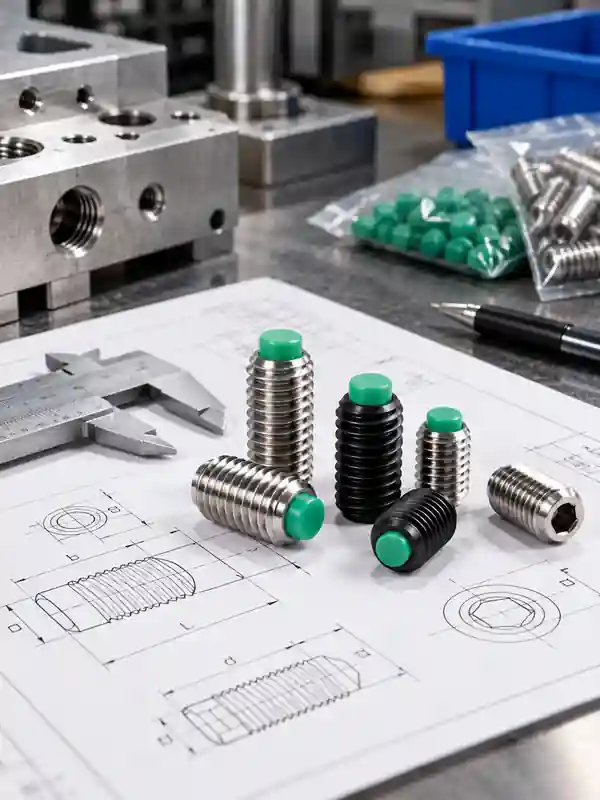
Build the Specification Around the Contact Surface
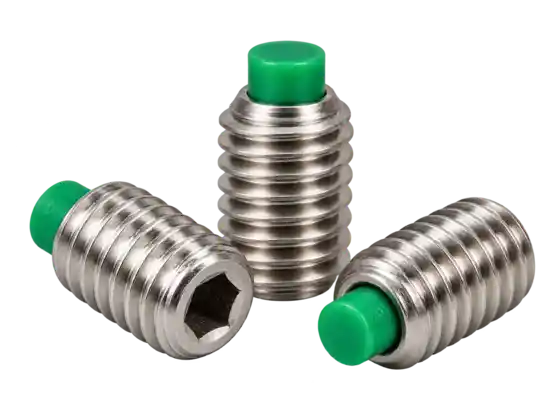
Real nylon tip product configurations
TIGHTU supplies nylon tip set screws with a threaded metal body, internal socket drive and projecting polymer contact tip.
Body and tip reviewed as one part
The thread, body material, drive and tip geometry can be coordinated around the mating component and assembly drawing.
Standard-referenced or drawing-based requirements
Projects can begin with an applicable DIN, ISO or ANSI requirement or with a customer drawing, sample and application specification.
Related fastener customization
TIGHTU manufactures and supplies standard and custom fasteners, allowing nylon tip set screw requirements to be reviewed alongside other drawing-based fastening parts.
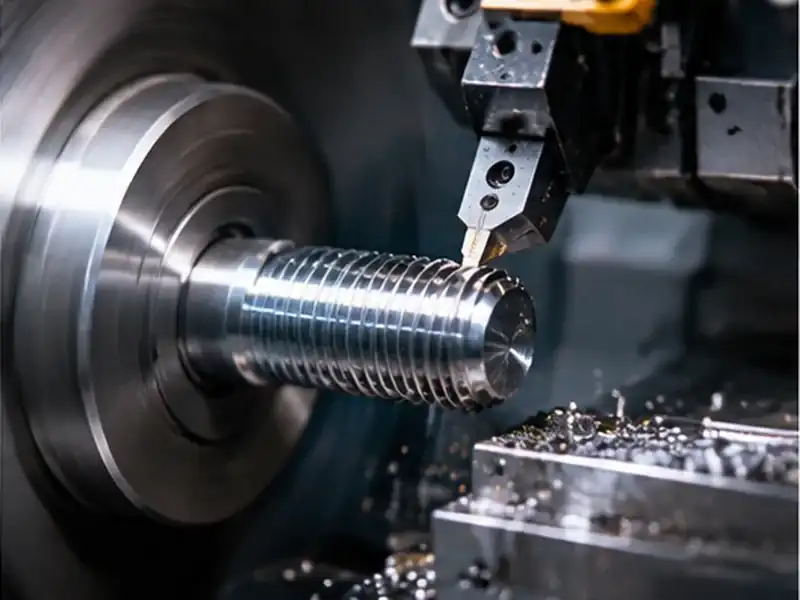
Nylon Tip Set Screw Manufacturing Support from China
TIGHTU is a nylon tip set screw manufacturer and supplier based in Nantong, Jiangsu, China. The company provides standard and custom fastening solutions for industrial customers worldwide.
Its fastener portfolio includes screws, bolts, nuts, washers, threaded rods and studs, pins and rivets, threaded inserts, micro fasteners and specialty fasteners. Product requirements can be reviewed against DIN, ISO and ANSI specifications or developed from customer drawings, samples and application needs.
Nylon Tip Set Screw Buyer Guide
Quick Navigation
Will a nylon tip prevent all surface damage?
How do I choose the correct screw length?
Can nylon tip set screws resist vibration?
How do temperature and chemicals affect the nylon tip?
When should I choose a brass tip instead?
What information is needed for a custom quotation?
Discuss Your Nylon Tip Set Screw Requirement
Share the thread, body length, socket size, nylon tip dimensions, body material, finish and application conditions. This information helps align the requested contact geometry with the drawing and quotation.