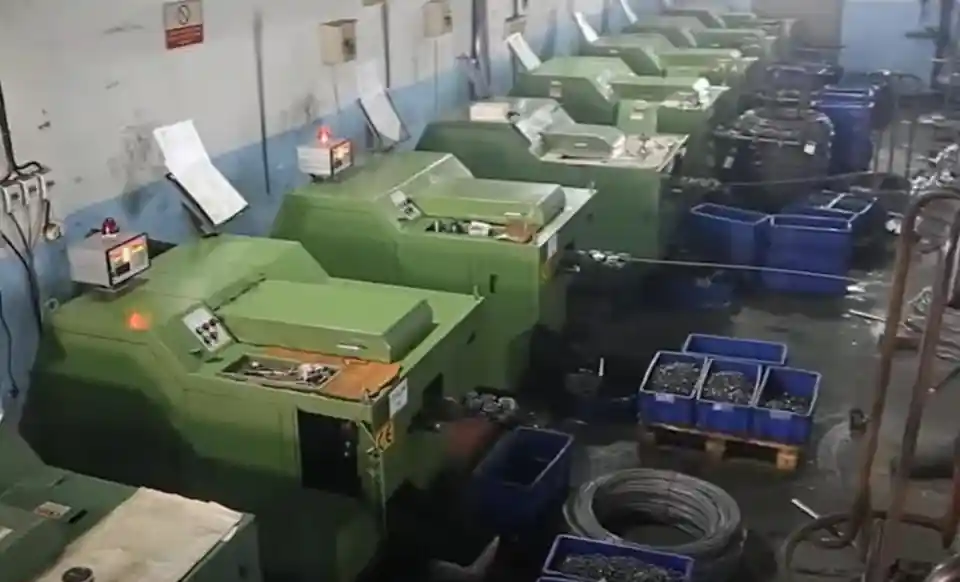
Set Screw Manufacturer in China
TIGHTU manufactures and supplies set screws for industrial assemblies, from standard socket and slotted configurations to nylon tip, brass tip, material-specific and drawing-based custom parts. Select the point, drive, material and standard around the way the screw contacts and secures your component.
DIN, ISO and ANSI requirements • Drawing- and sample-based customization • Material options for different assembly environments
Set Screws for Secure, Compact Assemblies
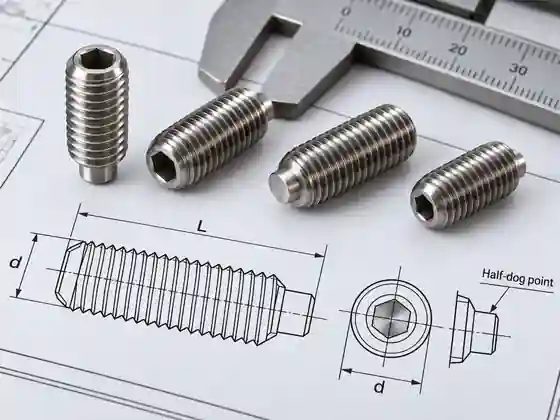
A set screw is typically a headless, fully threaded fastener installed through a tapped hole to hold one component against another. It is commonly used to secure a gear, pulley, collar, knob or similar component to a shaft without requiring a separate nut.
The point that contacts the mating surface has a direct effect on positioning, holding action and surface marking. Drive access, material, thread, finish and the required standard should therefore be reviewed together rather than selected independently.
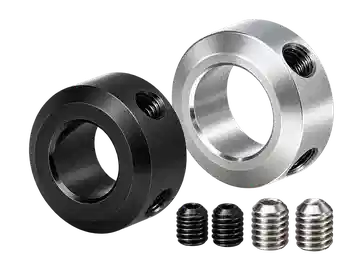
Set Screw Options
Compare the contact style, drive, material and customization route before selecting a set screw for your assembly.
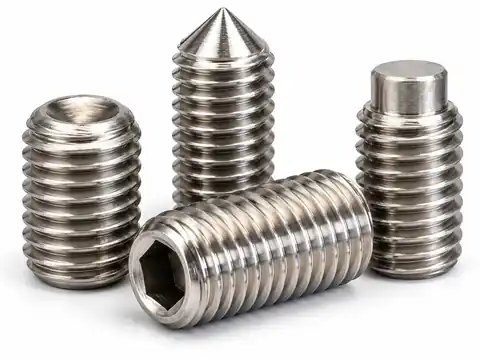
Socket Set Screws
Headless screws driven by an internal hex socket. Select the point style, thread, material and standard around the shaft, hub and available tool access.
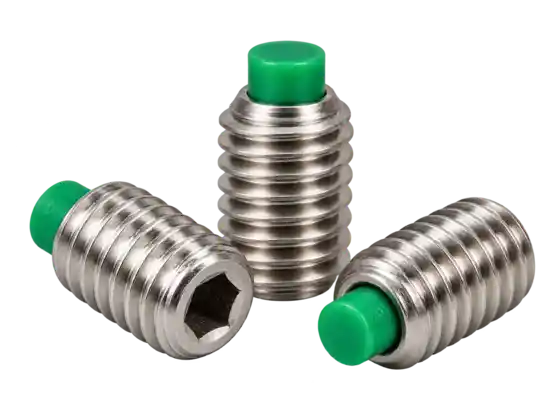
Nylon Tip Set Screws
A nylon contact tip helps reduce marking on finished or softer mating surfaces. Tip geometry, load, temperature and adjustment frequency should be considered during selection.
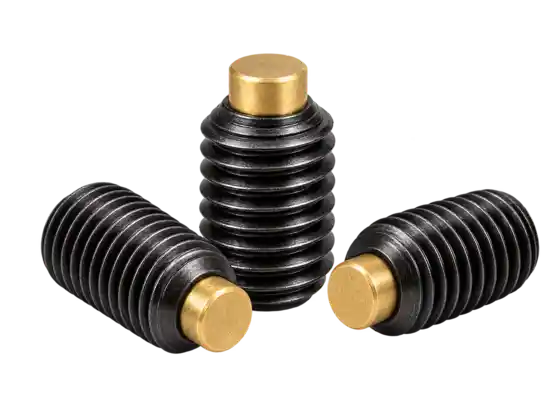
Brass Tip Set Screws
A brass tip provides a metal contact surface that is softer than steel. It can be considered where the assembly requires holding contact while limiting damage to the mating component.
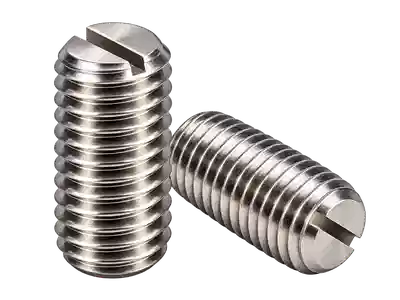
Slotted Set Screws
Headless set screws operated with a flat-blade tool. They are suited to designs in which the specified drive, available access or maintenance method requires a slot.
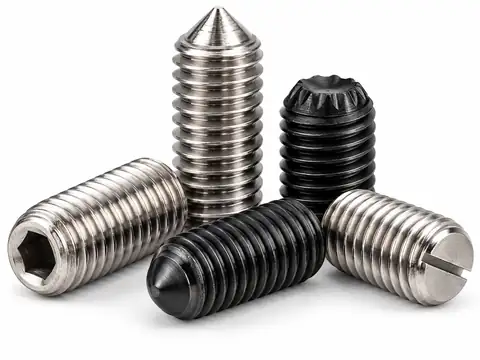
Stainless Steel & Alloy Steel Set Screws
Stainless steel is commonly considered for corrosion resistance, while alloy steel is selected where strength or hardness is a priority. The exact grade, heat treatment and finish must match the application.
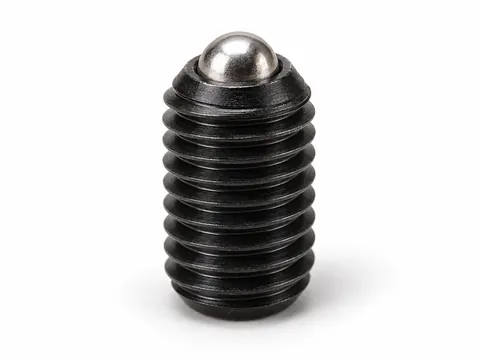
Custom Set Screws
Drawing- or sample-based parts can combine non-standard threads, lengths, points, drives, materials and finishes. TIGHTU reviews the specification and application requirements before quotation.
Reduce Avoidable Set Screw Mismatches
Many set screw problems begin with a mismatch between the contact point, mating surface, drive access and operating environment. Reviewing these factors together helps make the specification clearer before production.
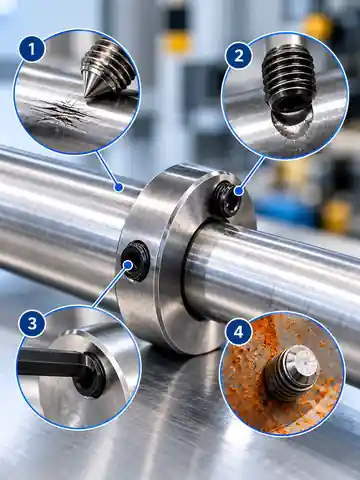
Surface marking
A sharp or hardened metal point may leave an impression on a finished shaft. Nylon tip, brass tip or flat-point configurations can be evaluated when surface condition matters.
Insufficient positioning or holding
A point selected only by appearance may not provide the required contact behavior. Cup, cone, dog and flat points interact with the mating surface in different ways.
Restricted installation access
The available tool path affects whether an internal socket or slotted drive is practical. Confirm the drive together with the surrounding assembly geometry.
Material and environment mismatch
Moisture, corrosion exposure, mating-material hardness and required strength influence the choice between stainless steel, alloy steel and other material options.
How to Choose a Set Screw Point
The point determines how the screw contacts, locates or grips the mating component. The following references are a practical starting point; the final specification should be checked against the assembly drawing, mating material and required standard.
| Point style | Common reference | Contact behavior | Common selection situation | Check before ordering |
|---|---|---|---|---|
| Flat point | DIN 913 | Broad, flat contact without a penetrating tip | Adjustment, repeated positioning or contact with a hardened surface | Holding requirement, shaft hardness and possible movement |
| Cone point | DIN 914 | Concentrated contact at a sharp point | Permanent or accurately located contact where surface penetration is acceptable | Marking, mating-surface thickness and alignment |
| Dog point | DIN 915 | Protruding cylindrical pilot enters a hole or slot | Positive location or guided movement | Pilot diameter, pilot length and matching hole or groove |
| Cup point | DIN 916 | Circular rim contacts and can bite into the mating surface | General shaft, collar, gear and pulley locking | Surface marking, vibration and required holding action |
| Nylon tip | Application-specific | Non-metal contact against the mating surface | Finished, softer or surface-sensitive components | Load, temperature, wear and adjustment frequency |
| Brass tip | Application-specific | Softer metal contact compared with a steel point | Surface-conscious clamping where a metal tip is preferred | Tip hardness, mating material and operating environment |
Note: DIN 913, DIN 914, DIN 915 and DIN 916 identify commonly referenced dimensional families. Confirm the required standard edition, thread, dimensions, material and any drawing-specific deviations before ordering.
Swipe left/right to view full table
Select the Material by the Assembly Environment
Material selection affects corrosion behavior, strength, hardness, surface interaction and finishing requirements. TIGHTU works with carbon steel, stainless steel, alloy steel, brass and copper, aluminum, nylon and titanium across its fastener portfolio. The suitable set screw material should be confirmed against the drawing and application.
Specification Details to Align
- Thread size and pitch
- Overall length and engagement length
- Socket, slot or other required drive
- Point style and point dimensions
- Material and grade
- Heat treatment and surface finish
- DIN, ISO, ANSI or drawing-specific requirement
- Critical tolerances and mating-component dimensions
- Application conditions and required quantity
| Material direction | Usually considered when | Confirm before production |
|---|---|---|
| Stainless steel | Corrosion exposure or a clean, uncoated surface is important | Grade, strength, galling risk, environment and mating material |
| Alloy steel | Strength, hardness or concentrated holding contact is required | Grade, heat treatment, finish and possible shaft marking |
| Carbon steel | A general industrial specification allows a coated steel part | Grade, strength class, finish and corrosion exposure |
| Brass or copper-based material | Electrical, contact or softer-metal requirements influence the design | Alloy, hardness, load and compatibility with the mating material |
| Aluminum, nylon or titanium | Weight, electrical behavior, corrosion or another application-specific condition requires an alternative material | Mechanical suitability, temperature, thread design and complete drawing requirements |
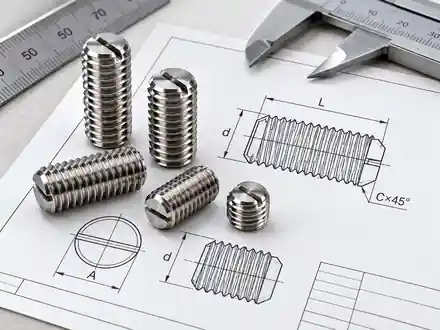
Custom Set Screws from Drawings or Samples
When a standard set screw does not match the assembly, TIGHTU provides OEM and ODM support based on customer drawings, samples and application requirements. Custom discussions can cover the thread, length, point, drive, material, finish and other drawing-defined features.
Define the contact and assembly
Identify the mating component, contact surface, installation access and the movement that the set screw must prevent or control.
Align the part specification
Confirm the thread, dimensions, point, drive, material, finish, standard and critical tolerances against the drawing or sample.
Prepare a manufacturing quotation
Provide the drawing or sample reference, required quantity and any application-specific requirements needed to review the part.
Common Set Screw Applications
Set screws are used where a compact threaded fastener must locate or hold one component against another. Point style and material should be selected around the actual contact condition.
Shaft collars
Locating or holding a collar on a shaft
Gears and pulleys
Securing a hub to a shaft
Knobs and handles
Retaining a control component on its spindle
Machine assemblies
Preventing relative movement between fitted components
Instruments and mechanisms
Compact positioning where external screw heads are undesirable
Electrical and equipment assemblies
Application-specific retention in limited installation space
Final selection should account for load, vibration, mating-surface hardness, corrosion exposure, temperature, installation access and any industry-specific validation requirements.
A Practical Route from Standard Requirement to Custom Part
Standard and custom product scope
Discuss standard-referenced set screws and drawing-based custom parts through one product inquiry.
Multiple selection dimensions
Coordinate the point, drive, material, finish and dimensional requirements as one complete part specification.
Drawing- and sample-based customization
Use an existing drawing, physical sample or application requirement as the starting point for a non-standard part.
International fastener supply experience
TIGHTU supplies standard and custom fastening solutions to industrial customers worldwide from Nantong, Jiangsu, China.
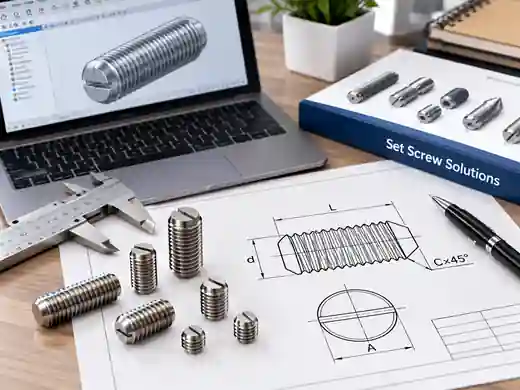
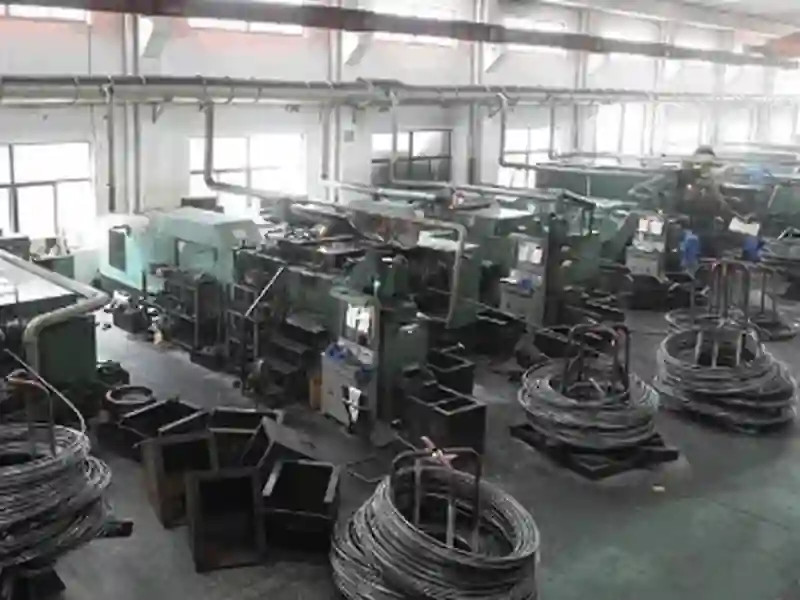
Fastener Manufacturing Support from Nantong, China
TIGHTU is a fastener manufacturer and supplier based in Nantong, Jiangsu, China. The company provides standard and custom fastening solutions, including screws, bolts, nuts, washers, threaded rods and studs, pins and rivets, threaded inserts, micro fasteners and specialty fasteners.
Set screw requirements can be reviewed against DIN, ISO and ANSI specifications or developed from customer drawings, samples and application requirements. The applicable standard, material, dimensions and custom scope should be confirmed for each part.
Related Resources
Set Screw Buyer Guide
What is the difference between a set screw and a regular screw?
Which set screw point causes the least surface marking?
What is the difference between DIN 913, DIN 914, DIN 915 and DIN 916?
Should I choose stainless steel or alloy steel set screws?
Can TIGHTU manufacture a set screw from my drawing?
How should I evaluate a set screw manufacturer?
Discuss Your Set Screw Requirement
Share the set screw type, drawing or standard reference, material, dimensions and required quantity. We will use this information to review the requested part and prepare the next quotation discussion.
Key Details for Fast Quoting:
- Material Grade & Hardness
- Thread Size & Length
- Point Style (Cup, Cone, Dog, Flat, etc.)
- Estimated Annual Quantity
Direct Contact
sales@tightu.com
+86(513)-81100106
24-Hour Quote Turnaround
Our engineering team will review your set screw specifications and provide a detailed quotation within 1 business day.